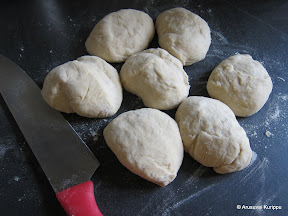
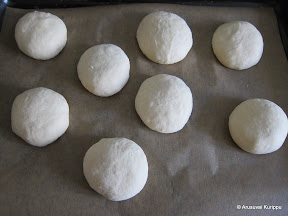
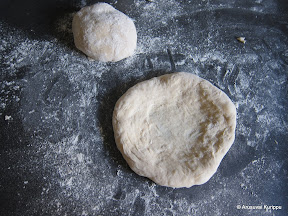
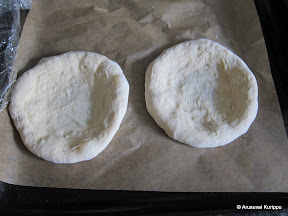
Kummelweck Rolls are of German origin. They are hard crusty rolls with a soft inside. They are topped with Caraway seeds and coarse sea salt. It is quite famous in Buffalo Newyork where it is used in the Beef on Weck sandwich. I baked this as part of my Baking group We Knead to Bake. Do try this lovely bread and let me know how you like it. Can me made Vegan by substituting for Milk and Honey.
Showing posts with label Events - We Knead to bake. Show all posts
Tuesday, 16 June 2015
Monday, 24 February 2014
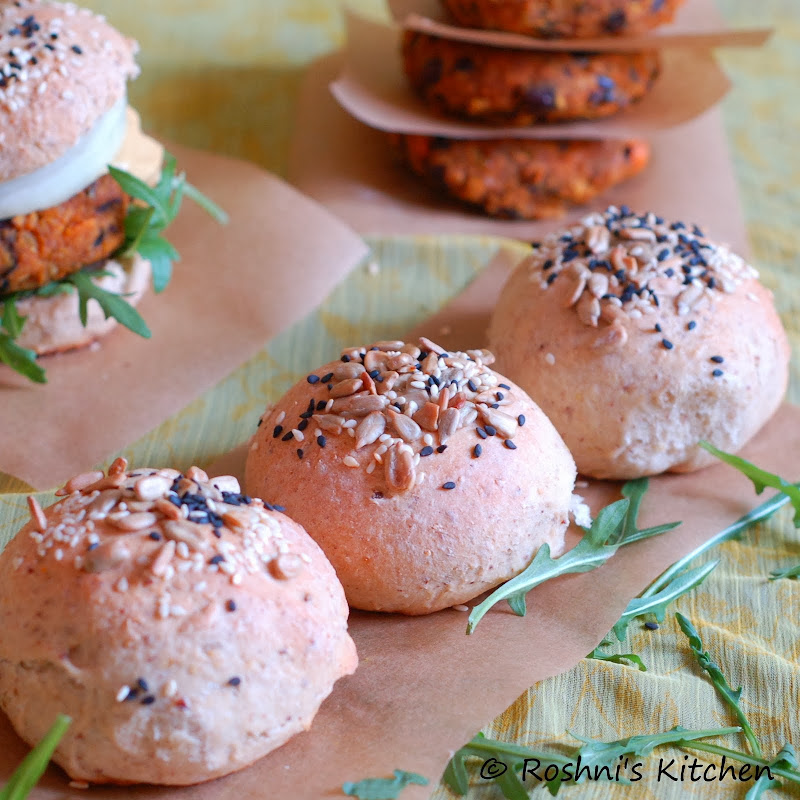
Multi Grain Multi Seed Buttermilk Rolls
As you know I bake as part of a Baking Group called We Knead to Bake (Click here to see all the breads baked so far). Aparna gives us recipes every month and all we have to do is Bake. Simple isn't? Well unfortunately this month she could not give us a recipe to bake cause her oven was giving her misery. So we decided to bake a bread of our choice. I wanted to bake from Aparna's recipe. So I started bookmarking a few. And was at loss. She has so many recipes in her collection. Then finally I decided to go with these cause I had been meaning to make a burger and this worked wonderful with it.
Labels:
Baking,
Baking - Bread,
Events - We Knead to bake
Friday, 24 January 2014
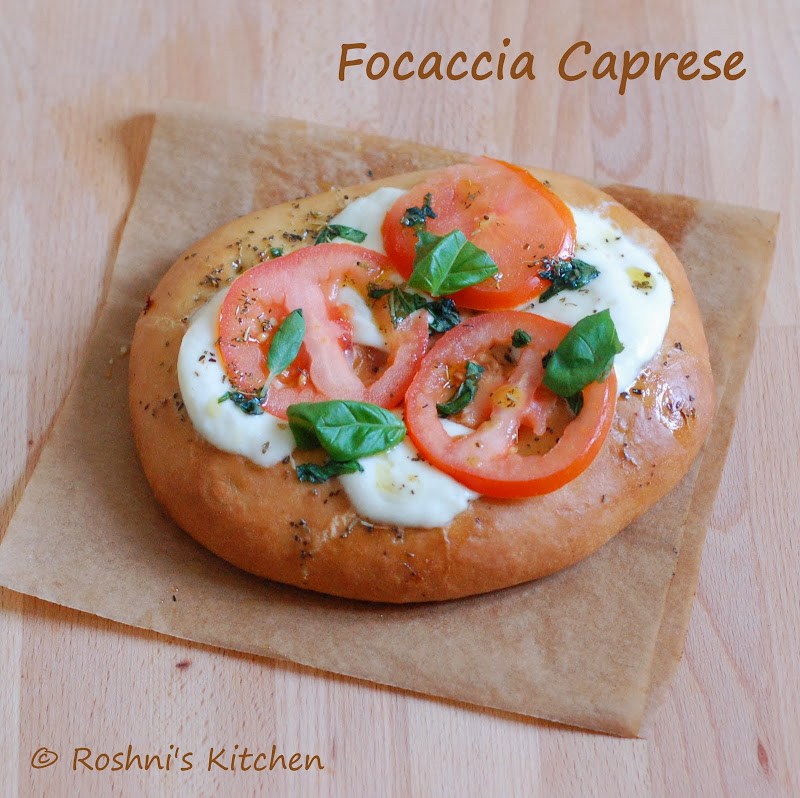
Focaccia Caprese - Focaccia with Tomato, Mozzarella and Basil
Focaccia Caprese is a variation of Focaccia influenced by the Capri region on Italy. The flavours usually included are Mozzarella, Tomato and Basil like in a Caprese Salad. As you might know I am part of a Baking Group called 'We Knead to Bake'. We bake a bread every month based on the recipe given by Aparna. After a successful year (yes, we baked 12 breads together and learned a lot), we are moving on to the second year with newer members and newer adventures.
Labels:
Baking,
Baking - Bread,
Events - We Knead to bake
Thursday, 5 December 2013
Baked Glazed Donut
Donuts or Doughnuts are quite popular in America (and now the rest of the world). There are 2 kinds of donuts - cake donuts and yeasted donuts. I have posted the yeasted donuts once before (cinnamon sugar donuts). That time it was the fried version. This time I am presenting to you the baked version of the donuts
These tasted really good. Personally I liked these better than the fried donuts that I made. But some people in our group felt they will stick to fried version.
Sunday, 27 October 2013
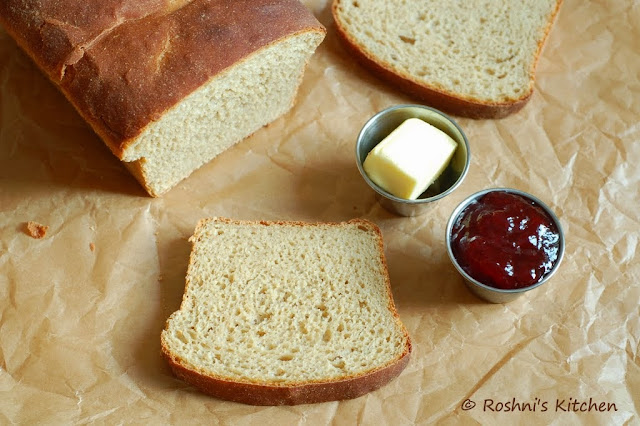
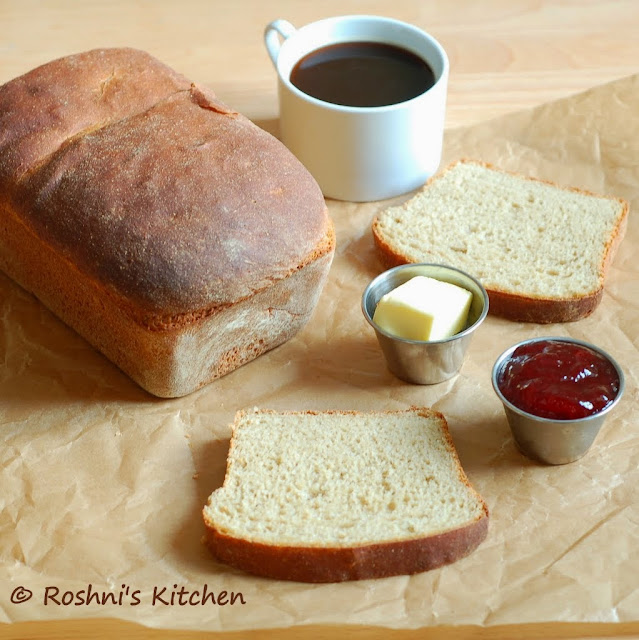
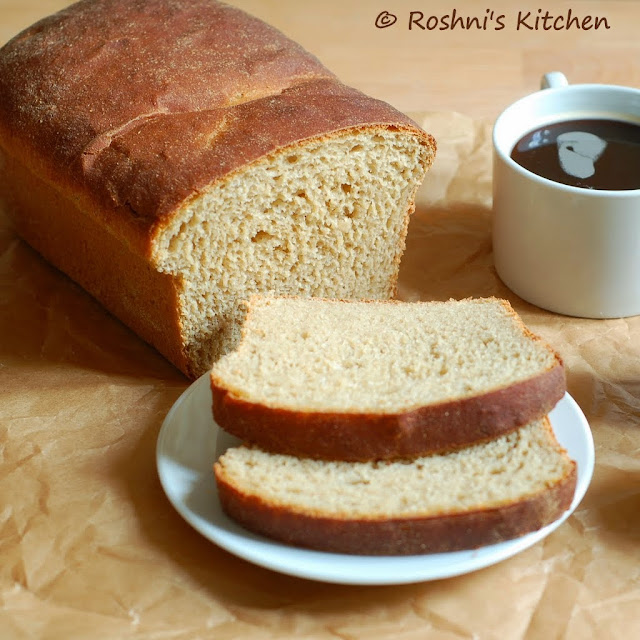
Whole Wheat Bread - Sandwich Bread - Brown Bread
Sliced Bread is consumed every week at our home. I have never made my own bread. I love my white bread. But with the buzz around Whole Wheat Stuff, we usually by a 50-50 bread. A good compromise I feel.
As you might know, a group of bloggers have been baking breads together (we knead to bake) since the beginning of this year lead by Aparna. This month she sent us a Whole Wheat Bread recipe to try our hands on. A few bakers had mishaps in their bread and so I was not sure if my whole wheat is going to rise. But I was amazed at how well it rose. The one thing I did wrong was to try and shape the bread many times. Thankfully it did not spoil my bread much. Do check out the video link below to see the technique.
About the flour. I did not buy a whole wheat flour specifically from the market. We use Whole Wheat Flour (Indian Brand) almost daily for making our Chapati/Roti. So I just used that. I have used Pillsbury brand Whole Wheat Atta.
Video on how to shape bread here
Original Recipe PeterReinhart
Adapted by Aparna
Ingredients:
For
The Soaker:
Whole Wheat Flour 1 3/4 cups
Salt 1/2 tsp
Water at room temperature 3/4 - 1 cup
Vinegar 1 tbsp
For
The Biga/ Sponge:
Whole Wheat Flour 1 3/4 cups
Instant Yeast 1/4 tsp
Milk 3/4 cup
Vinegar 1 tbsp
For
The Final Dough:
All of the Soaker
All of the Biga/ Sponge
Salt 1/2 tsp
Whole Wheat Flour 1/3 cup (use only as required)
Instant Yeast 2 tsp
Oil 2 tbsp
Honey 2 tbsp
Method of Preparation
Soaker
Mix all of the Soaker ingredients
together in a bowl until all of the flour is hydrated. Start using 3/4 cup and add till 1 cup if you need. Your Soaker should be
somewhat like reasonably firm bread dough in consistency. Cover the bowl
loosely with plastic wrap and leave at room temperature for 12-24 hours.
Biga/ Sponge
Mix all of the Biga/ Sponge in a bowl and knead together well till a soft ball forms. You might need more than the originally suggested 3/4 cup of liquid. Cover and refrigerate for at least 8 hours or overnight. This will keep for up to 3 days.
Final Bake
Mix all of the Biga/ Sponge in a bowl and knead together well till a soft ball forms. You might need more than the originally suggested 3/4 cup of liquid. Cover and refrigerate for at least 8 hours or overnight. This will keep for up to 3 days.
Final Bake
1. Two hours before you plan to mix your dough
for the bread, remove the Biga from the refrigerator and allow it to come to
room temperature. You might find your Biga rising a little during this time.
2. Divide the Biga and Soaker into small pieces (about 12 pieces each) using a sharp knife or scraper and put them in the food processor bowl (or stand mixer). You can knead this by hand too, but the dough will be tacky and a little difficult to manage. Do not be tempted to add more flour.
3. Add the remaining ingredients for the dough, except the 1/3 cup flour) and knead for about 3 minutes.
4. Let it rest for 5 minutes, then add as much flour as needed (if necessary) to the dough and knead for another 3-4 minutes. Your dough should now come away from the sides of the bowl but still be a little sticky but somewhat manageable. It’s really important to not add too much extra flour during this step.
5. Place the dough in a lightly oiled bowl and let rise until almost doubled (about 1 1/2 hours). Then turn out the dough onto a lightly floured surface and pat the dough out into a rectangle with a width that just a bit less than your loaf tin. See that you do not tear the dough. Roll it up and shape into a loaf.
6. Place your loaf in a greased and floured loaf tin (I used a 9” by 4” loaf tin) and let it rise until it is just higher than your loaf tin.
7. Bake the loaf at 180C (350F) for about 40 to 45 minutes until the top is a nice deep brown colour and the loaf sounds hollow when tapped.
8. Let the loaf cool completely (at least for about 2 hours), before slicing it. Refrigerate the loaf if not consuming immediately.
2. Divide the Biga and Soaker into small pieces (about 12 pieces each) using a sharp knife or scraper and put them in the food processor bowl (or stand mixer). You can knead this by hand too, but the dough will be tacky and a little difficult to manage. Do not be tempted to add more flour.
3. Add the remaining ingredients for the dough, except the 1/3 cup flour) and knead for about 3 minutes.
4. Let it rest for 5 minutes, then add as much flour as needed (if necessary) to the dough and knead for another 3-4 minutes. Your dough should now come away from the sides of the bowl but still be a little sticky but somewhat manageable. It’s really important to not add too much extra flour during this step.
5. Place the dough in a lightly oiled bowl and let rise until almost doubled (about 1 1/2 hours). Then turn out the dough onto a lightly floured surface and pat the dough out into a rectangle with a width that just a bit less than your loaf tin. See that you do not tear the dough. Roll it up and shape into a loaf.
6. Place your loaf in a greased and floured loaf tin (I used a 9” by 4” loaf tin) and let it rise until it is just higher than your loaf tin.
7. Bake the loaf at 180C (350F) for about 40 to 45 minutes until the top is a nice deep brown colour and the loaf sounds hollow when tapped.
8. Let the loaf cool completely (at least for about 2 hours), before slicing it. Refrigerate the loaf if not consuming immediately.
Labels:
Baking,
Baking - Bread,
Events - We Knead to bake
Monday, 23 September 2013
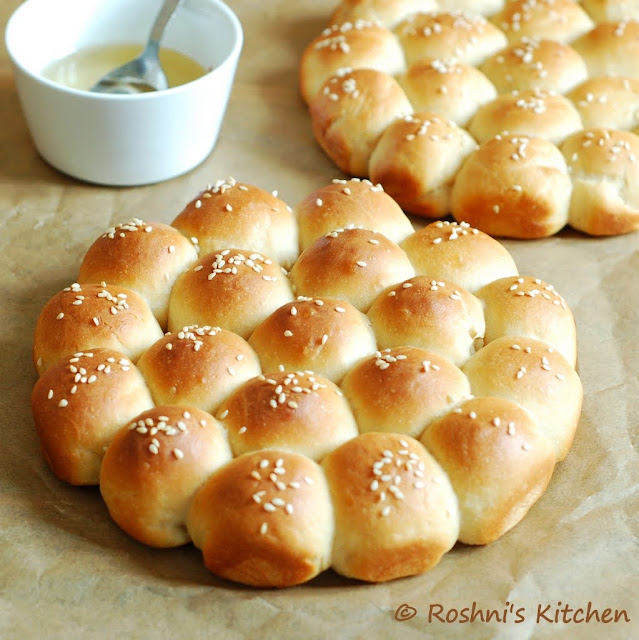
Khaliat Nahal - Middle Eastern Honey Comb Bread - Sweet and Savoury Versions
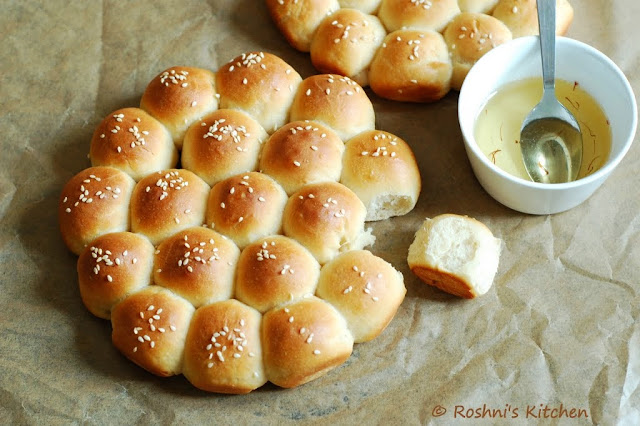
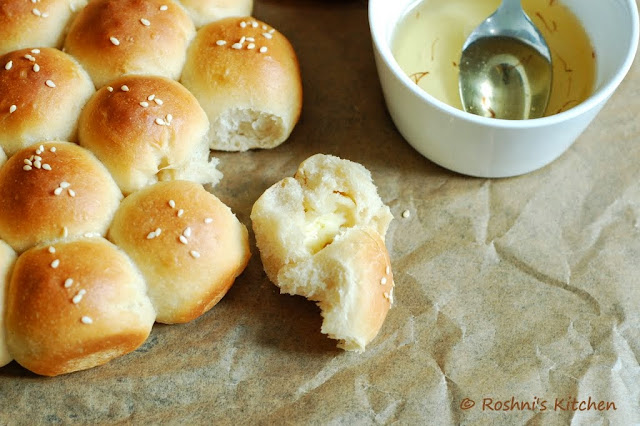
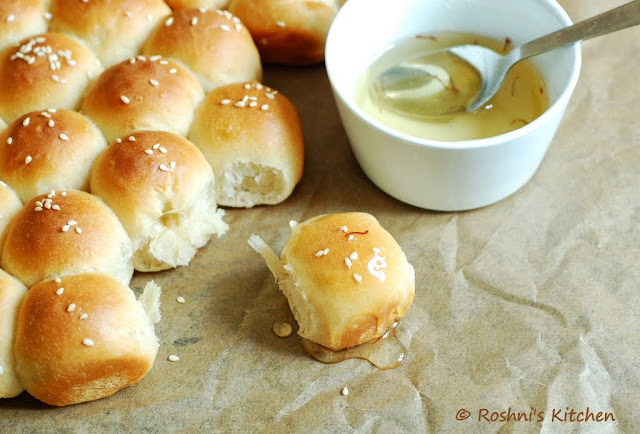
Khaliat al Nahal (also known as Khaliat Nahal) translates as Bee’s Hive in Arabic. This is because the buns are baked close to each other in a round pan where they form a honeycomb like pattern. They’re traditionally made sweet and glazed with honey flavoured syrup, though savoury versions are also made. Traditionally, the filling used in this bread is a small piece of plain cream cheese. I have used some Cheddar Cheese in one batch and made the other batch without any filling
You can choose to do any filling of your choice. As I mentioned before, a cream cheese filling is traditional. But you can play around with options. I sued Cheddar cheese. You can use veggies or Paneer as well. As for the syrup, traditionally as soon as the bread comes out of the oven, pour the prepared syrup. I wanted to make an all in one bread. So I kept the stuffing neutral - just cheese. No spices. I made the bread with a little salt and a little sugar. Not as sweet as the sweet version. And served the sugar syrup as a dip along with some soup. So both in the same bake right?
Sugary Goodness! This one is a bread bite with sugar syrup poured all over. It was soooo good. I would highly recommend trying the sugar syrup with this bread.
Ingredients
For the dough
Lukewarm milk 1 cup
Fast acting Instant yeast 1.5 tsp
Sugar 1 tsp *
Strong White Bread Flour (or all purpose flour) 325gms (2.5 cups)
Salt 3/4 tsp *
Butter, melted and cooled 40 gms
Milk for brushing the dough 2 tbsp
White sesame seeds for sprinkling on top 2 tbsp
Note : If making as just sweet bread, use 3tbsp of sugar and 1/4 tsp of salt. I made it with 1 tsp sugar and 3/4 tsp salt.
For the filling
Cheddar Cheese - about 80gms, a very small bit per bread. I stuffed only 1/2 the above recipe.
Sugar Syrup/ Glaze
Sugar 1/4 cup
Water 3 tbsp
Saffron a pinch
Honey 1 tsp
Lemon juice 1/2 tsp
Method of Preparation
1. Add flour (reserve 1/2 cup and add as required), yeast, sugar, salt and butter in the mixing bowl. Mix well. If using active dry yeast, proof it using the warm milk.
2. Add the milk and combine till well kneaded. Add the reserved flour as needed. I used the whole 2.5 cups of flour.
3. Shape the dough into a ball and place it in a well-oiled bowl, turning it to coat completely with the oil. Cover and let it rise till double in volume, for about an hour.
4. Turn the dough out onto your work surface. You won’t really need to flour it as the dough is quite manageable as it is. Cut it into 2 halves. Work with 1 half keeping the other covered.
5. With your palms, roll out each half a rope. The size of each piece and the number depends on what size tray you are using and how many circles you are going for. I made mine in 2 small 7" sandwich tins. So each portion I divided into 19 small balls. It will be very small balls. Once baked it was the size of a small lemon.
And oh, I weighed the dough, divided into half. Then just divided the weight with 19 to get the weight of each portion. Was easier that way for me.
6. Flatten each ball and add a piece of cheese or any stuffing of your choice. Cover and make into a ball. Roll it within your palm.
7. Place the balls in a baking tray in a pattern. I did one in a centre, 6 around it, then placed another layer on the top, trying to align with the middle and top.
8. Let it rise for a second time for about 30 min.
9. Brush on the top with milk. Sprinkle some sesame seeds.
10. Bake for about 25-30 min till the top is browned.
11. Let it rest for 5 min and then cool on a wire rack.
Serve with some soup or drenched in sugar syrup
Sugar Syrup : To make the syrup, in a pan heat the sugar and water with the saffron till warmed and sugar is dissolved. Switch off and add the honey and lemon juice.
6. Flatten each ball and add a piece of cheese or any stuffing of your choice. Cover and make into a ball. Roll it within your palm.
7. Place the balls in a baking tray in a pattern. I did one in a centre, 6 around it, then placed another layer on the top, trying to align with the middle and top.
8. Let it rise for a second time for about 30 min.
9. Brush on the top with milk. Sprinkle some sesame seeds.
10. Bake for about 25-30 min till the top is browned.
11. Let it rest for 5 min and then cool on a wire rack.
Serve with some soup or drenched in sugar syrup
Sugar Syrup : To make the syrup, in a pan heat the sugar and water with the saffron till warmed and sugar is dissolved. Switch off and add the honey and lemon juice.
Friday, 23 August 2013
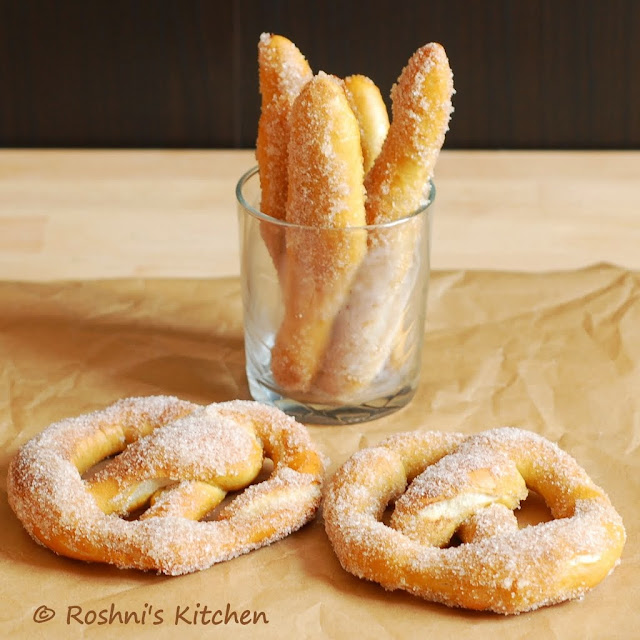
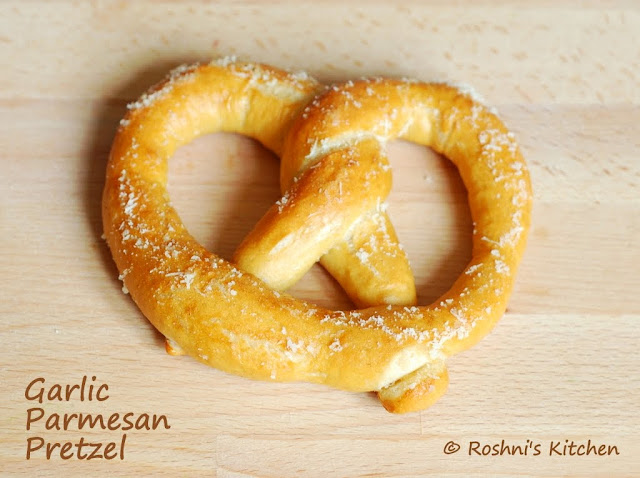
Cinnamon Sugar Soft Pretzels and Garlic Parmesan Pretzel
A pretzel is a type of baked bread product made from dough most commonly found in a unique knot-like shape. Pretzels originated in Europe. The traditional pretzel shape is a distinctive symmetrical looped form, with the ends of a long strip of dough intertwined then, twisted back into itself in a certain way. Now, pretzels of various shapes are available around the world. Pretzels are often seasoned and flavoured with various salts, sugars or other various seeds or nuts.

There are usually 2 types of Pretzels - hard and soft ones. Today's recipe is that of the Soft Pretzel. It is baked as part of the group 'We Knead to Bake'. We are baking a bread a month with the recipes from Aparna and having a blast! Here is this month's link
Ingredients(Makes 12 Large Pretzels or 36 Pretzel sticks)
Flour 31/4 cup (425 gms)
Instant Yeast 2 1/4 tsp ( 7gm packet)
Sugar 3 tsp
Warm Milk 1 cup
Salt 1/2 tsp
For Soda Water
Water 6 cups
Baking Soda 2 tbsp
For Topping
Sugar 1/2 cup
Cinnamon 1 tsp
Melted Butter 4-6 tbsp (as needed)
Method of Preparation
1. In a stand mixer (or a bowl) add flour, yeast, salt and sugar. You can just start with 3 and add 1/4 if needed. I started with 31/4 and so had to add an extra 3 tbsp of milk to make a soft dough.
2. Add milk and knead into a soft dough for about 8-10 min. If you are using Active Dry Yeast instead of Instant Yeast, remember to proof the yeast with the warm milk along with salt and sugar. Add the mix to the flour in the bowl.
3. Form the dough into a ball and place in a large oiled bowl, turning to coat the dough with oil. Cover and allow the dough to rise for about 40 minutes or until doubled in size.
4. Deflate the dough and divide dough into 12 equal portions. If you are making 'pretzel' shaped ones, then you will get 12 pretzels. I made half in the Pretzel shape and rest in the form of Pretzel Sticks. For making sticks, divide each portion into 3 portions. So I got 6 pretzels and 18 sticks.
5. Work with one portion at a time and cover remaining dough to prevent it drying. Roll each portion into an 20-inch-long rope with tapered ends.
6. Cross one end of rope over the other to form a horse shoe shape.
7. Twist the rope at the base. Fold the ends over the circle and into a traditional pretzel shape, pinching gently to seal.
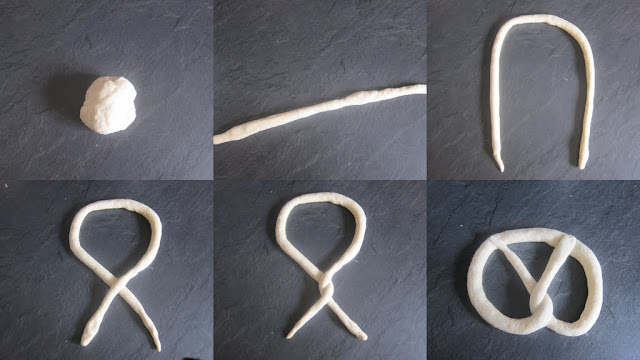
8. If you want to make the Pretzel sticks, just roll each of the smaller portion into logs.
9. Place pretzels on a baking sheet lined with parchment paper. Cover and let rise 10 minutes (pretzels will rise only slightly).
10. Put the 6 cups of water and baking soda in a non-aluminium pan and bring to a boil. Turn down the heat and simmer.
11. Gently lower a pretzel into the simmering water. Cook on each side for about 15 seconds. The pretzel will swell/ puff up a bit.
12. Remove from the water with a slotted spoon, drain all the water and place it back on the baking sheet. Repeat with the remaining pretzels.
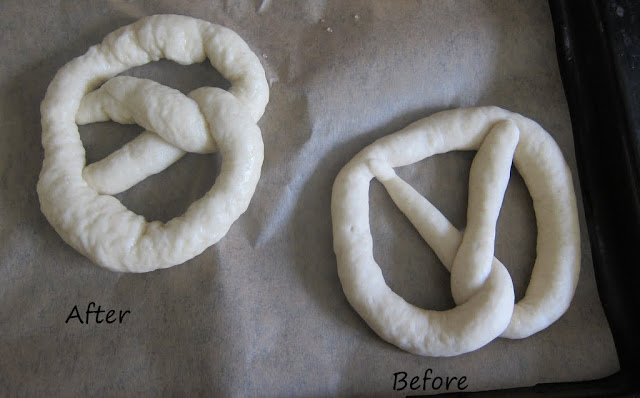
13. Preheat the oven to 220C. Bake for about 12 minutes or until pretzels are deep golden brown. Transfer to a wire rack to cool. If making Pretzel sticks, they were ready in 10 min.
14. Melt the butter and keep ready. Mix the sugar and cinnamon and keep ready.
15. As soon as it comes out of the oven, dip in the butter and then dip in the sugar/cinnamon mix.
I also made some of the Pretzels savoury with Garlic Parmesan Flavour. Add Garlic powder to the melted butter. Dip the warm pretzels in the butter mix and then in Grated Parmesan.
There are usually 2 types of Pretzels - hard and soft ones. Today's recipe is that of the Soft Pretzel. It is baked as part of the group 'We Knead to Bake'. We are baking a bread a month with the recipes from Aparna and having a blast! Here is this month's link
Ingredients(Makes 12 Large Pretzels or 36 Pretzel sticks)
Flour 31/4 cup (425 gms)
Instant Yeast 2 1/4 tsp ( 7gm packet)
Sugar 3 tsp
Warm Milk 1 cup
Salt 1/2 tsp
For Soda Water
Water 6 cups
Baking Soda 2 tbsp
For Topping
Sugar 1/2 cup
Cinnamon 1 tsp
Melted Butter 4-6 tbsp (as needed)
Method of Preparation
1. In a stand mixer (or a bowl) add flour, yeast, salt and sugar. You can just start with 3 and add 1/4 if needed. I started with 31/4 and so had to add an extra 3 tbsp of milk to make a soft dough.
2. Add milk and knead into a soft dough for about 8-10 min. If you are using Active Dry Yeast instead of Instant Yeast, remember to proof the yeast with the warm milk along with salt and sugar. Add the mix to the flour in the bowl.
3. Form the dough into a ball and place in a large oiled bowl, turning to coat the dough with oil. Cover and allow the dough to rise for about 40 minutes or until doubled in size.
4. Deflate the dough and divide dough into 12 equal portions. If you are making 'pretzel' shaped ones, then you will get 12 pretzels. I made half in the Pretzel shape and rest in the form of Pretzel Sticks. For making sticks, divide each portion into 3 portions. So I got 6 pretzels and 18 sticks.
5. Work with one portion at a time and cover remaining dough to prevent it drying. Roll each portion into an 20-inch-long rope with tapered ends.
6. Cross one end of rope over the other to form a horse shoe shape.
7. Twist the rope at the base. Fold the ends over the circle and into a traditional pretzel shape, pinching gently to seal.

8. If you want to make the Pretzel sticks, just roll each of the smaller portion into logs.
9. Place pretzels on a baking sheet lined with parchment paper. Cover and let rise 10 minutes (pretzels will rise only slightly).
10. Put the 6 cups of water and baking soda in a non-aluminium pan and bring to a boil. Turn down the heat and simmer.
11. Gently lower a pretzel into the simmering water. Cook on each side for about 15 seconds. The pretzel will swell/ puff up a bit.
12. Remove from the water with a slotted spoon, drain all the water and place it back on the baking sheet. Repeat with the remaining pretzels.
13. Preheat the oven to 220C. Bake for about 12 minutes or until pretzels are deep golden brown. Transfer to a wire rack to cool. If making Pretzel sticks, they were ready in 10 min.
14. Melt the butter and keep ready. Mix the sugar and cinnamon and keep ready.
15. As soon as it comes out of the oven, dip in the butter and then dip in the sugar/cinnamon mix.
I also made some of the Pretzels savoury with Garlic Parmesan Flavour. Add Garlic powder to the melted butter. Dip the warm pretzels in the butter mix and then in Grated Parmesan.
Sunday, 4 August 2013
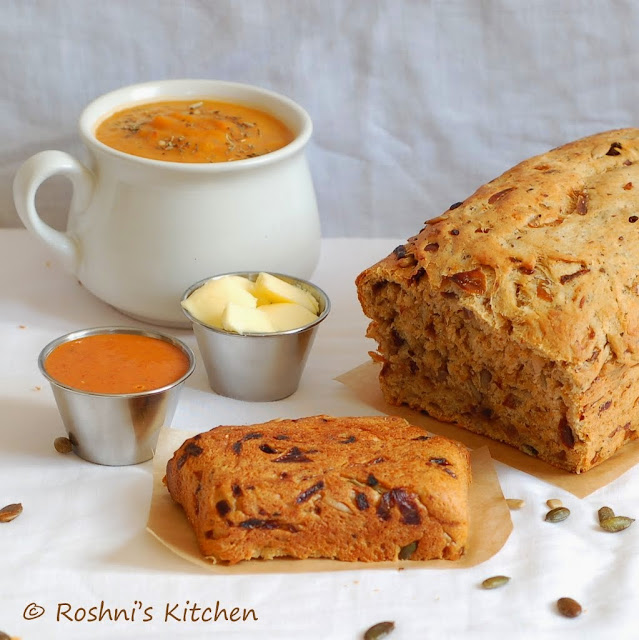
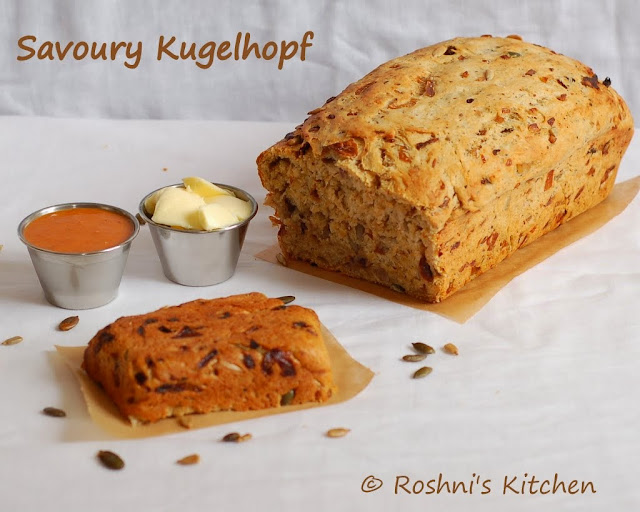
Savoury Kugelhopf - Savoury Gugelhupf - A Savoury Bread with Sundried tomatoes and Onions - Eggless Bake
A Kugelhopf (also spelt as Kugelhupf or Gugelhupf) is a yeasted sweet cake well known in the Alsace region
of France, as well as in Germany, Switzerland, and Austria, and variations of
this are also found in some countries of Eastern Europe. The most common story
about the Kugelhopf is that Marie Antoinette (the same lady of the “let them
eat cake” fame!) brought it from her home country Austria, to France upon her
marriage to King Louis XVI.

The Kugelhopf is typically baked in a
special pan that that is round with a hole in the centre, somewhat like a bundt
pan but heavier. Since it is a yeasted cake, the Kugelhopf has a dense
bread-like texture and is made from a somewhat enriched dough like brioche but
is not as rich. It is considered similar to a coffee cake that might be eaten
for or with breakfast, or could be part of an afternoon snack with coffee.

This savoury version is also good for
breakfast, as a snack or with a simple soup. A lesser known version of the Kugelhopf is
its savoury Alsatian version called the Kugelhopf aux Lardons. “Lardons” is the
French word for bacon, and this version is typically made with onions, ham/ bacon,
walnuts and herbs. I have used a loaf tin to bake this.
Ingredients
All Purpose Flour 3 -31/2 cups
Instant Yeast 2 tsp
Salt 1 tsp
Butter, at room temperature 75gms
Warm Milk 3/4 cup
Eggs 2 (replace each egg with 1 tbsp of flax seed powder dissolved in 3 tbsp of water)
Oil as required for sauteing onions and for brushing pans
Onions, finely chopped 1 (about a cup)
Sundried Tomatoes, finely chopped 1/2 cup
Pumpkin Seeds 2 tbsp
Sunflower Seeds 2 tbsp
Black Pepper, powdered 1 tsp
Dry Italian Herbs 1 tsp
Method of Preparation
1. In a stand mixer (or processor or by hand) mix 3 cups of flour,
yeast, and salt.
2. Then add the butter, a little at a time, and process till incorporated.
3. Add the warm milk and process till mixed.
4. Now add the eggs (or flax seed mixture) and process till mixed. You will now have a soft and sticky
dough. Knead some more, adding more flour, a little at a time and just enough
till the dough pulls away from the sides of the bowl. I did not add any more than the original 3 cups
5. Your dough will be very soft, elastic and
just short of sticky. Transfer the dough to an oiled bowl, cover and let it
rise until double in volume. This can take from 1 1/2 hours to 2 1/2 hours. Mine was done in 1 hour.
6. In the meanwhile, heat oil in a
pan and sauté the onions with a pinch of salt till they turn golden brown. Remove
and let it cool.
7. Grease a loaf tin (or a kugelhopf mould or bundt pan).
8. Once the dough has risen, deflate it. Then work the stir-fried onions, sundried tomatoes and the seeds along with black pepper and herbs into the dough. The best way to do this is to flatten the dough out and spread all this over the surface, fold the dough over and then knead it. This will ensure a more uniform incorporation of the “filling”. Do not add more flour!
9. Roll the dough into a longish log, long enough to fit into the mould comfortably. Lift the “log” of dough and place it in the mould.
10. Cover and let the dough rise for about an hour or so, until it reaches the edge/ rim of the mould. (mine was done in 30 min).
11. Preheat the oven and bake the Kugelhopf at 200C (400F) for about 35 to 40 minutes until the top is golden brown and sounds hollow when it is tapped. I stopped mine at 30 min, but feel I should have left it for another 5 min.
12. Unmould the Kugelhopf and let it cool on a rack. Slice and serve. This Kugelhopf should serve about 10.
Recipe and Step by Step Instruction by Aparna
8. Once the dough has risen, deflate it. Then work the stir-fried onions, sundried tomatoes and the seeds along with black pepper and herbs into the dough. The best way to do this is to flatten the dough out and spread all this over the surface, fold the dough over and then knead it. This will ensure a more uniform incorporation of the “filling”. Do not add more flour!
9. Roll the dough into a longish log, long enough to fit into the mould comfortably. Lift the “log” of dough and place it in the mould.
10. Cover and let the dough rise for about an hour or so, until it reaches the edge/ rim of the mould. (mine was done in 30 min).
11. Preheat the oven and bake the Kugelhopf at 200C (400F) for about 35 to 40 minutes until the top is golden brown and sounds hollow when it is tapped. I stopped mine at 30 min, but feel I should have left it for another 5 min.
12. Unmould the Kugelhopf and let it cool on a rack. Slice and serve. This Kugelhopf should serve about 10.
Recipe and Step by Step Instruction by Aparna
Friday, 24 May 2013
Bialys - Rustic Style Roll with a Savory Onion centre - New York Bialys
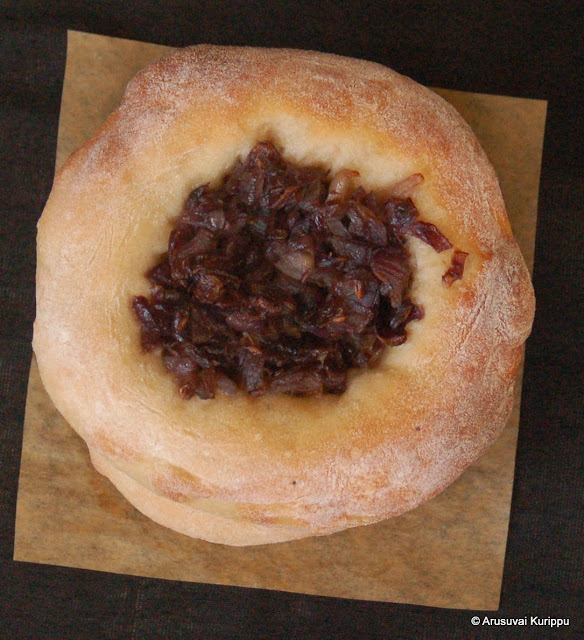
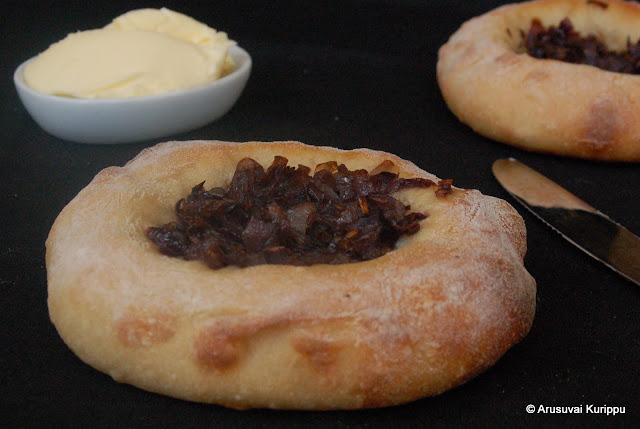
The Bialy (pronounced bee-AH-lee) maybe thought of as a cousin to a Bagel but is quite different from it. For one thing, a Bialy is baked whereas a Bagel is boiled and then baked. A Bialy is round with a depressed middle, not a hole, and typically filled with cooked onions and sometimes poppy seeds. So it is not shiny on the outside with largish puffy bubbles on the inside. A good Bialy should have a springy soft crumb and a chewy and floury crust. Bialys are best when eaten within 5 to 6 hours of making them.
The name Bialy comes from Bialystocker
Kuchen which translates as “bread from Bialystok” which is in Poland.
Apparently, Bialys are rarely seen or made in Bialystock these days. In the days when there used
to be Bialys in Bialystock, it seems the rich Jews ate Bialys with their meals,
while the Bialys were the whole meal for the poorer Jews.

In the early 1900s, many Eastern Eurpoeans,
including the Polish, immigrated to the US and settled down in New York.
Naturally, they also brought their Bialy making skills with them and that is
how the New York Bialy became famous. What lends Bialys their signature chewiness
is the use of flour that is high in gluten. So to make Bialys, use bread flour
if you can find it. Otherwise use all-purpose flour and add 1 tbsp vital wheat
gluten (for the 3 cups). If you can find neither bread flour nor vital
wheat gluten, go ahead and make it with plain flour. You’ll still have very
nice Bialys that are slightly softer, that’s all.
Bialys usually have a thin layer of
caramelised onions and poppy seeds. Check out this Video on how to shape the Bialys
For
the dough:
Instant Yeast 1 tsp
Sugar 1 tbsp
Water 11/4 cup
Bread Flour 3 cups
Salt 1 tsp
Flour for dusting
Oil 1 tbsp
Onions 3 medium, finely chopped
Cumin/Jeera 1.5 tsp
Salt to taste
Method of Preparation
1. Add yeast, sugar, salt and flour in a bowl. Give it a mix.
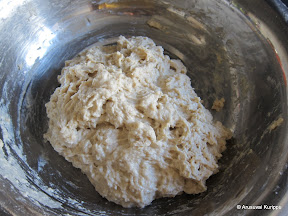
2. Add the warm water slowly. Knead until the dough comes together as a mass and then let the dough rest for 10 minutes. This will help the dough absorb water.

3. Knead again, adding a little more water or flour (not too much) if you need it, until your dough is smooth and elastic but not sticky.
2. Add the warm water slowly. Knead until the dough comes together as a mass and then let the dough rest for 10 minutes. This will help the dough absorb water.
3. Knead again, adding a little more water or flour (not too much) if you need it, until your dough is smooth and elastic but not sticky.
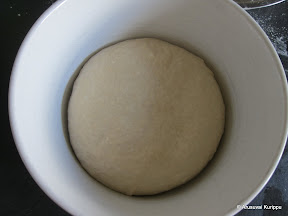
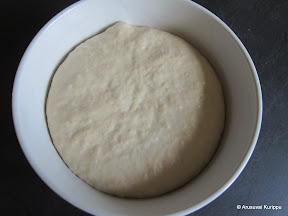
4. Shape it into a ball and put it in a
well-oiled bowl, turning the dough till it is well coated. Cover and let it
rise till about double. This should take about 2 hours (Mine was ready in 45 min, keep checking). If you’re not making
the Bialys right away, you can refrigerate the dough overnight at this point.
When ready to make them, keep the dough at room temperature for about half an
hour and then proceed with the rest of the recipe.


5. In the meanwhile, make the filling. Heat the oil in a pan, and add the cumin seeds. When the crackle, add the onions, and sauté over low to medium heat. Sprinkle a little salt and continue sautéing until they become soft and turn golden brown in colour. Keep the caramelised onions aside to cool.
6. Sprinkle your work surface lightly with flour and place the dough on it. Divide it into 8 equal pieces and shape each one into a roll by flattening it and then pinching the ends together to form a smooth ball. Place the rolls on a lightly greased baking sheet and cover them with a towel. Let them rise for about one hour (about 1 1/2 to 2 hours for refrigerated dough) till pressing with a finger on the top leaves a dent. Mine were ready in 30 min.


5. In the meanwhile, make the filling. Heat the oil in a pan, and add the cumin seeds. When the crackle, add the onions, and sauté over low to medium heat. Sprinkle a little salt and continue sautéing until they become soft and turn golden brown in colour. Keep the caramelised onions aside to cool.
6. Sprinkle your work surface lightly with flour and place the dough on it. Divide it into 8 equal pieces and shape each one into a roll by flattening it and then pinching the ends together to form a smooth ball. Place the rolls on a lightly greased baking sheet and cover them with a towel. Let them rise for about one hour (about 1 1/2 to 2 hours for refrigerated dough) till pressing with a finger on the top leaves a dent. Mine were ready in 30 min.
7. Work on one piece at a time, while you keep
the others covered so they don’t dry out. When the rolls are ready, pick them
up one at a time. Dip it in a bowl of flour. This step is optional. I loved the rustic look I saw in the video above. If you do not want that, skip the flour dusting.
8. Using your fingers, form the depression in the middle. Hold the roll like a steering wheel with your thumbs in the middle and your fingers around the edges. Pinch the dough between your thumb and fingers, rotating as you go and gradually making the depression wider without actually poking a hole through. If a small hole does appear, do not worry, just join it and keep going.

9. Remember not to press on the edges, or they will flatten out. Once shaped, you should have a depression about 3” in diameter with 1” of puffy dough around the edge, so your Bialy should be about 4” in diameter. The centre will be like a thin membrane. Prick the centre of the Bialy with a fork so the centre doesn’t rise when baking.
8. Using your fingers, form the depression in the middle. Hold the roll like a steering wheel with your thumbs in the middle and your fingers around the edges. Pinch the dough between your thumb and fingers, rotating as you go and gradually making the depression wider without actually poking a hole through. If a small hole does appear, do not worry, just join it and keep going.
9. Remember not to press on the edges, or they will flatten out. Once shaped, you should have a depression about 3” in diameter with 1” of puffy dough around the edge, so your Bialy should be about 4” in diameter. The centre will be like a thin membrane. Prick the centre of the Bialy with a fork so the centre doesn’t rise when baking.
10. Place the shaped dough on a parchment lined
(or greased) baking tray leaving about 2 inches space between them. Place the
caramelised onion filling in the depressions of each Bialy.

11. Bake the Bialys at 230C (450F) for about 15 minutes till they’re golden brown in colour. Cool them on a rack. Serve slightly warm or at room temperature.
This recipe makes 8 largish Bialys.
Baking with the group - We Knead to Bake has been fun as always. Do Check out Aparna's blog for the original post/recipe and other bakers baking with us.
11. Bake the Bialys at 230C (450F) for about 15 minutes till they’re golden brown in colour. Cool them on a rack. Serve slightly warm or at room temperature.
This recipe makes 8 largish Bialys.
Baking with the group - We Knead to Bake has been fun as always. Do Check out Aparna's blog for the original post/recipe and other bakers baking with us.
Other Breads baked as part of the group - We Knead to Bake
February : Classic Croissants
Labels:
Baking,
Baking - Bread,
Events - We Knead to bake
Wednesday, 24 April 2013
Torcettini di Saint Vincent - Lemon Flavoured Yeasted Cookies
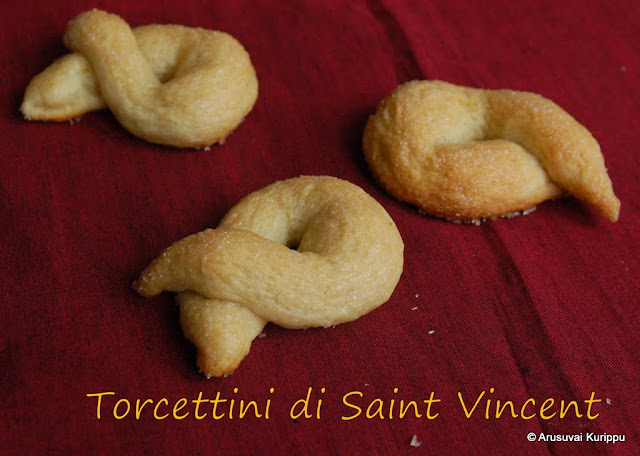
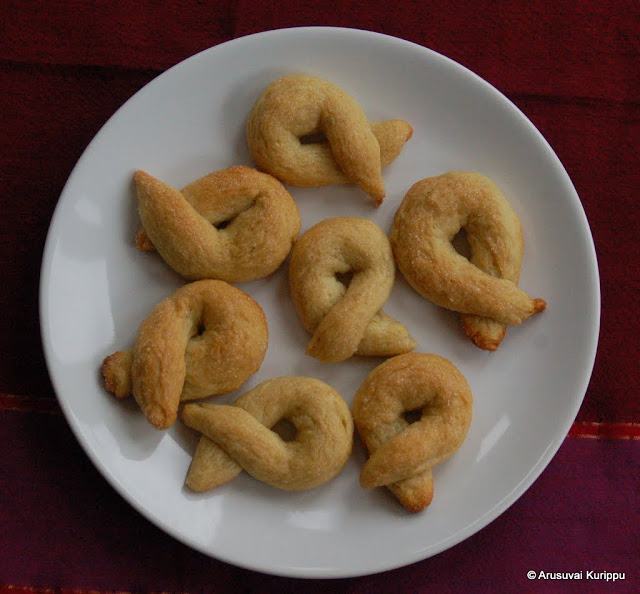
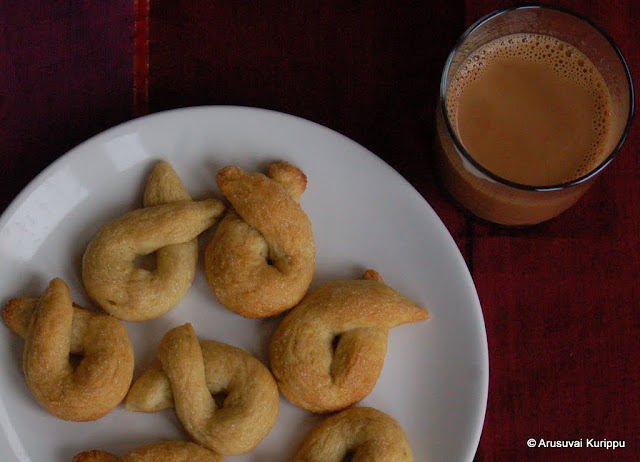
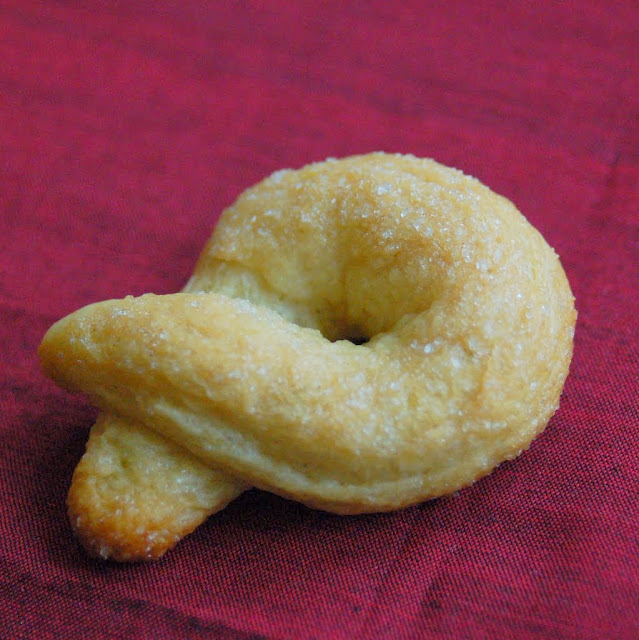
Torcettini are smaller versions of Torcetti (meaning small twists), and these pear/ teardrop shaped twists are made of a dough of flour, yeast and butter which are shaped and then rolled in sugar before being baked. These biscuits are synonymous with the town of Saint Vincent in Valle d'Aosta, a small mountainous region in North-Western Italy, even though they’re well known throughout the Piedmont region as well.
The origin of these biscuits is believed to
be from Grissini (breadsticks) which were made from the leftover scraps of
bread dough. According to one story, a Grissini baker had some leftover butter
which he needed to use up. Inspiration struck and he decided to add the butter
to the last batch of his Grissini dough for the day. To be able to
differentiate this lot of “breadsticks”, he rolled them in sugar and shaped
them into loops, and the Torcetti was born. Torcetti/ Torchettini taste even
better when they’re flavoured with lime/ lemon zest or anise.

These biscuits are crunchy, not very sweet
and pair very well with cold milk, hot chocolate, tea/ coffee or wine. They are
delicious served warm and equally good cold, and keep very well if stored in airtight
containers. Apparently, Queen Margaret, the wife of King Umberto I of Savoy loved
these biscuits so much during her stay in Valle d'Aosta, that she gave her
servants enough provisions to bake an abundant supply for her consumption.
Aparna chose these cookies for our group We Knead to Bake. Provided us with detailed recipe and photos.. We all had fun baking these. Check out Aparna's post and other bloggers in our group here
Torcettini di Saint Vincent
Ingredients
Warm water, about 110F 1/2 cup
Active dry yeast 11/4 tsp
All purpose flour 1 1/2 cups
Salt 1/4 tsp
Lime/ lemon zest (replace with orange
zest for the chocolate version) 1 tsp
Unsalted butter, cold and cut into small pieces 40gm
Sugar for rolling the cookies 1/3 cup
Cocoa Powder 2 tbsp (for chocolate version)
Method of Preparation
1. Dissolve the yeast in the warm water, in a
small bowl and keep aside. If you are using Instant Yeast, add directly to flour.
2. Put the flour and the salt in the food processor bowl (or a largish regular bowl if kneading by hand) and pulse a couple of times to mix.
3. Add the butter pieces and pulse until the butter is well mixed and the flour-butter mixture looks powdery.
4. If making chocolate Torcetti, remove 2 tbsp all-purpose flour and add the 2 tbsp unsweetened cocoa powder mentioned in the recipe. Don’t add the lemon zest/ anise. Use orange zest and maybe add 1/ 2 tsp instant coffee powder with the flour.
5. Add the yeast-water mixture and pulse till it all comes together as a ball. Do not over process or knead. Place the ball of dough in a oiled bowl, turning it so it is well coated with the oil. Cover the bowl, and let the dough rise quite a bit.


6. This dough does not really double in volume, but it should look “puffy” after about an hour or so. When you pinch off a bit from the top you can see the interior looking a bit like honeycomb. Press down the dough and deflate it, wrap it in cling warp and refrigerate it for at least one hour or up to 24 hours.
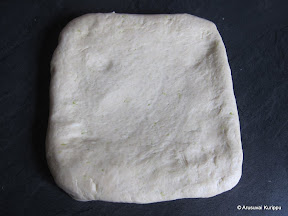
7. When ready to make the cookies, take the dough out and lightly roll it out into an approximately 6” square. If the dough feels sticky, scatter a little sugar on it.
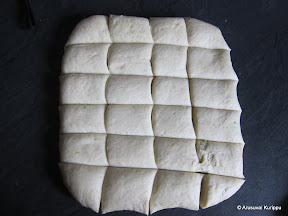
8. Using a pizza wheel cut the dough into four strips of equal width. Cut each strip into 6 equal pieces, by cutting across, making a total of 24 pieces. The measurements are not very critical in this part because this just makes it easier to have 24 equal sized bits of dough, as compared to pinching of bits of the dough.


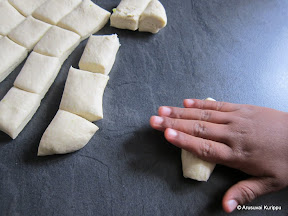
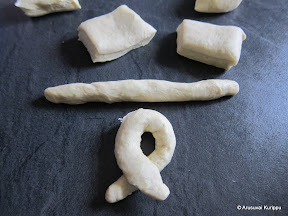
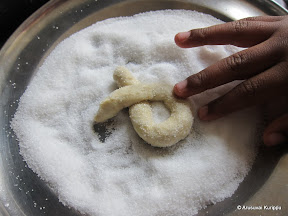
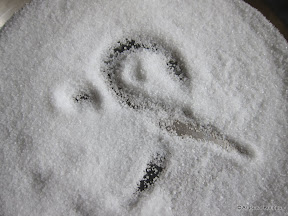
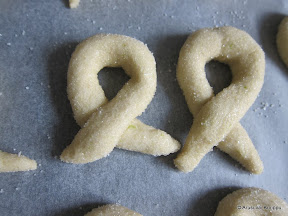
9. Roll each piece into a pencil thick “rope” about 5” long. Sprinkle a little sugar on your work surface and roll the “rope” in it so the sugar crusts the dough uniformly. Form the “rope” into a loop crossing it over before the ends.


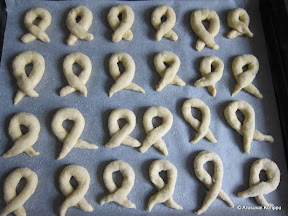
10. Place the Torcettini on parchment lined baking sheets, leaving 1 1/2" between them. Leave them for about 20 minutes or so till they rise/ puff up slightly. Don’t worry, they will not “puff up” much.


11. Bake them at 160C (325F) for about 25 minutes till they’re a nice golden brown. Cool the cookies completely, on a rack. Store them in an air-tight container at room temperature. This recipe makes 24 biscuits.

Other Breads baked as part of the group - We Knead to Bake
January : Whole Grain Pull Apart Bread with tomato-onion chutney spread
February : Classic Croissants
March : Muffin Rolls (Hokkaido Milk Bread) With Tangzhong
Hot Cross Buns - Easter Recipe - Tangzhong Method
2. Put the flour and the salt in the food processor bowl (or a largish regular bowl if kneading by hand) and pulse a couple of times to mix.
3. Add the butter pieces and pulse until the butter is well mixed and the flour-butter mixture looks powdery.
4. If making chocolate Torcetti, remove 2 tbsp all-purpose flour and add the 2 tbsp unsweetened cocoa powder mentioned in the recipe. Don’t add the lemon zest/ anise. Use orange zest and maybe add 1/ 2 tsp instant coffee powder with the flour.
5. Add the yeast-water mixture and pulse till it all comes together as a ball. Do not over process or knead. Place the ball of dough in a oiled bowl, turning it so it is well coated with the oil. Cover the bowl, and let the dough rise quite a bit.
6. This dough does not really double in volume, but it should look “puffy” after about an hour or so. When you pinch off a bit from the top you can see the interior looking a bit like honeycomb. Press down the dough and deflate it, wrap it in cling warp and refrigerate it for at least one hour or up to 24 hours.
7. When ready to make the cookies, take the dough out and lightly roll it out into an approximately 6” square. If the dough feels sticky, scatter a little sugar on it.
8. Using a pizza wheel cut the dough into four strips of equal width. Cut each strip into 6 equal pieces, by cutting across, making a total of 24 pieces. The measurements are not very critical in this part because this just makes it easier to have 24 equal sized bits of dough, as compared to pinching of bits of the dough.
9. Roll each piece into a pencil thick “rope” about 5” long. Sprinkle a little sugar on your work surface and roll the “rope” in it so the sugar crusts the dough uniformly. Form the “rope” into a loop crossing it over before the ends.
10. Place the Torcettini on parchment lined baking sheets, leaving 1 1/2" between them. Leave them for about 20 minutes or so till they rise/ puff up slightly. Don’t worry, they will not “puff up” much.
11. Bake them at 160C (325F) for about 25 minutes till they’re a nice golden brown. Cool the cookies completely, on a rack. Store them in an air-tight container at room temperature. This recipe makes 24 biscuits.
January : Whole Grain Pull Apart Bread with tomato-onion chutney spread
February : Classic Croissants
March : Muffin Rolls (Hokkaido Milk Bread) With Tangzhong
Hot Cross Buns - Easter Recipe - Tangzhong Method
Subscribe to:
Posts (Atom)